
Back in the Arena
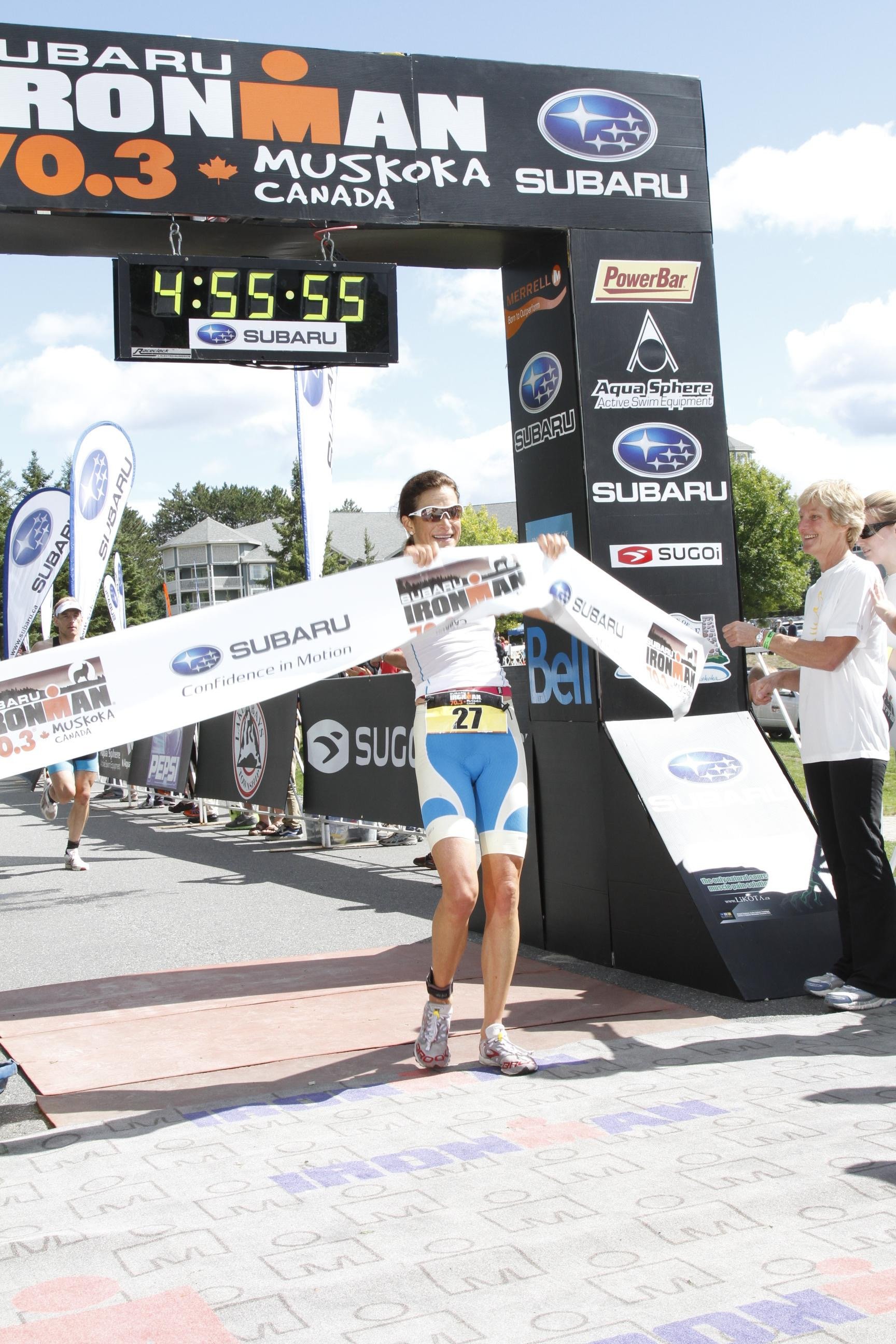
On returning, rebuilding, and what it might mean for you
As a coach, I’ve had plenty to say. About my own pursuits, though — I’ve been quiet. Intentionally so.
Since Kona in 2019 — my 42nd Ironman — I stepped away from the start line. Not from this community. Not from the work I love. But from that particular kind of striving. And I want to share why — because I suspect some of you will recognize the feeling.
The years that followed were genuinely some of the richest of my coaching life. Moving back to Vancouver. Building Brite Coaching into something with real depth. Leaning into Lotus Cycling Club, hosting retreats and camps, spending more time in the mountains and in conversation. My body, honestly, needed the reprieve too. Years of ironman training leave marks you don’t always see until you stop.
But I also grew tired of what the sport was becoming in the culture around it. The noise. The performance as personal brand. The comparison and the vanity that social media had amplified into something corrosive. I didn’t want to participate in that conversation — and stepping back gave me something valuable: a clearer eye for what endurance sport can actually offer people.
“The few who do it well, do it with a village. The few who isolate themselves eventually collapse under the weight of it.”
That break sharpened my coaching in ways I didn’t expect. Working alongside athletes whose goals weren’t an event — but a life. People who needed structure to regulate themselves. Who needed an advocate across every pillar: training purposefully, building real strength, recovering like it matters, fuelling with intention. Fitness not as a finish line, but as a tool for clarity, longevity, and possibility. That became the work I wanted to do. And I share this because it may be the work some of you need — whether you ever toe a start line or not.
WHAT PULLED ME BACK
Last October, I found myself glued to the Ironman Hawaii coverage. I couldn’t pull away. Despite — or maybe because of — the heartbreak at the front of the race, something came back to me. That feeling of being genuinely moved by what human beings choose to attempt.
A month later, I flew to Panama City, Florida to support one of my athletes, Kelly Svendsen, at her first Ironman. Not only did she win her age group — she punched her ticket to Kona. Standing at that finish line, watching the faces, the effort, the community that builds itself around these events — I remembered what the sport is, underneath all the noise. It is still extraordinary.
I drove home with a full tank and a quiet thought forming: I want back in. Not for the finish line photo. Not for the content. But because I wanted a goal, a structure, a project — and because I thought there might be something worth sharing in the experience of returning after a long time away.
I asked Kelly if she’d want to race Jacksonville before Kona. She said yes without hesitating. And just like that, I became my own experiment.
WHAT THIS HAS LOOKED LIKE — AND WHY IT MATTERS TO YOU
I kept it quiet until now. Partly because I genuinely didn’t know if my body would cooperate. Fifty-two years old, years of reduced volume, the accumulated wear of 42 previous races. I wasn’t going to announce something I wasn’t sure I could do.
So instead of announcing, I started. Multiple days a week in the gym. More time in the water. Daily mobility. A home setup focused on glute strength and postural integrity. And miles — slowly, consistently, miles.
The progression hasn’t been linear. It never is. But it has moved forward. And what I’ve discovered in this process is something I want to bring back to every athlete I work with: when you build strength first, when you treat recovery as training, when you approach your body as a long-term project rather than a short-term machine — it responds. Even at 52. Especially at 52.
“I became my own experiment. And the findings belong to all of us.”
Sharing the experience with Kelly — and involving a few close friends in the journey — has reinforced something I’ve always believed: the athletes who thrive don’t do it alone. They do it with a community that holds them accountable, challenges them, and celebrates the unglamorous middle parts just as much as the finish line.
THE THING I MOST WANT YOU TO TAKE FROM THIS
Four weeks out, what occupies me most isn’t the race. It’s the mind.
Training with a fuller, busier life than I had at 35 has been a masterclass in self-observation. The days when the mind won’t settle — when beginning a session takes triple the time of the session itself — are as instructive as the days when everything aligns. We talk endlessly about physical periodization. We rarely talk about the cognitive noise that either opens the door to effort or slams it shut. That conversation is coming in future posts, because I think it’s one of the most underserved areas in endurance coaching.
But the bigger message is this: it is never too late to have a goal. It is never too late to build toward something. The arena isn’t reserved for the young, the fast, or the obsessed. It belongs to anyone willing to show up with honesty, patience, and a good team around them.
That’s what I’m doing. And I hope, in some small way, watching it unfold gives you permission to do the same.
More to come from the road.
— With gratitude, as always.
Ironman Jacksonville · May 16th 2026